-
Dental Bonding / Composite FillingsDental Bonding / Composite Fillings -
Dental BridgesDental Bridges -
Dental CrownsDental Crowns -
Dental SealantsDental Sealants -
Dental VeneersDental Veneers -
InvisalignInvisalign -
Oral Surgery & ImplantsOral Surgery & Implants -
Periodontal Disease and TreatmentPeriodontal Disease and Treatment -
PulpotomyPulpotomy -
Root Canal TherapyRoot Canal Therapy -
Sedation Dentistry & Dental AnxietySedation Dentistry & Dental Anxiety -
Snore GuardsSnore Guards -
Teeth WhiteningTeeth Whitening -
Three Dimensional Dental ImagingThree Dimensional Dental Imaging -
TMJ TherapyTMJ Therapy
Nightly snoring can disturb your sleep and keep your partner awake, but it may also signal restricted airflow during sleep. Understanding what causes the sound matters because ordinary snoring and obstructive sleep apnea require different forms of care.
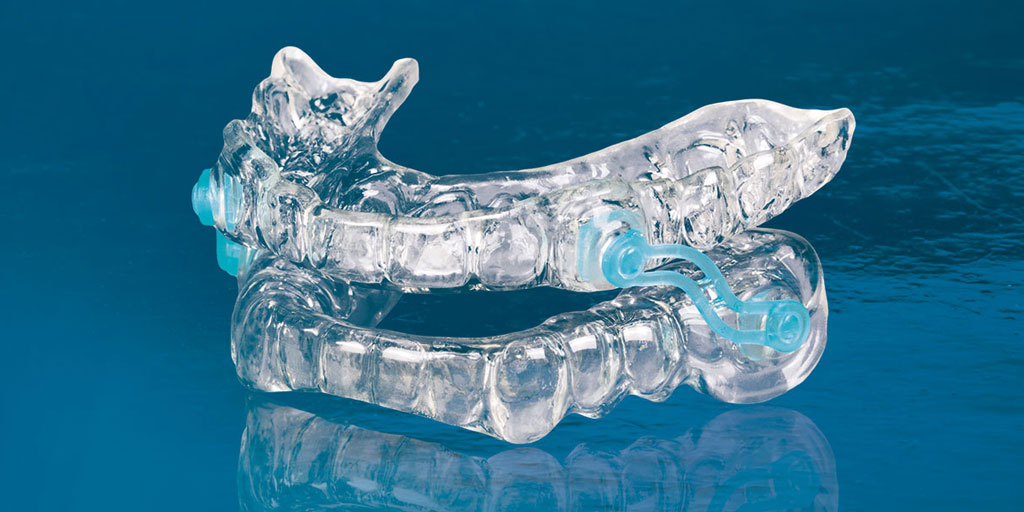
A snore guard from a dentist is a custom oral appliance that holds the lower jaw slightly forward while you sleep. This position may create more room in the airway and reduce the tissue vibrations responsible for snoring. Adams & Cheek Dentistry offers custom Silent Nite snore guards for Raleigh patients after evaluating their teeth, gums, jaw, bite, and symptoms.
What Is a Dentist-Made Snore Guard?
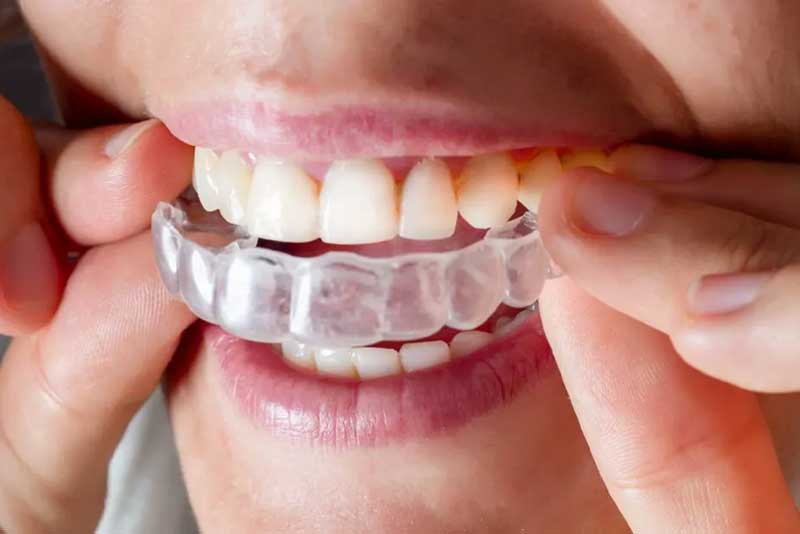
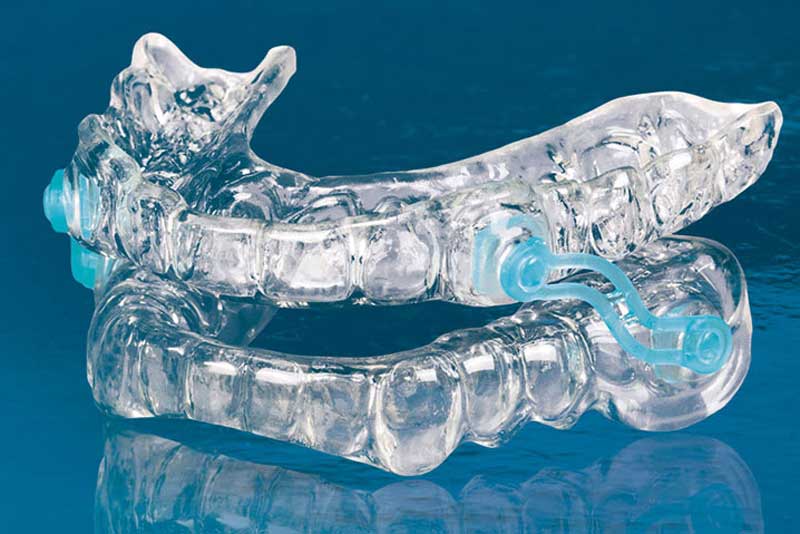
A snore guard is a removable oral appliance worn during sleep. It fits over the upper and lower teeth and gently positions the lower jaw forward. You may also hear this type of appliance called a mandibular advancement device.
The practice offers the Silent Nite Snore Guard, which uses transparent upper and lower splints connected by small Slide-Link connectors. These connectors guide the lower jaw into its planned position while permitting limited jaw movement and oral breathing.
A dental laboratory fabricates the appliance from the impressions of your mouth. The custom design allows the device to fit your teeth and bite more closely than a generic appliance purchased online or from a retail store.
How Do Oral Appliances Reduce Snoring?
During sleep, the muscles and soft tissues in the mouth and throat relax. This can narrow the airway. As air moves through the smaller space, tissues such as the soft palate may vibrate and produce the sound associated with snoring.
A snore guard advances the lower jaw slightly. Moving the jaw forward also encourages the tongue and nearby soft tissues to move away from the back of the throat. The additional airway space may reduce airflow resistance and tissue vibration.
The appliance does not work the same way as a CPAP machine. CPAP delivers pressurized air through a mask to keep the airway open. A snore guard relies on jaw positioning and does not require a mask, hose, or powered equipment.
Results vary according to airway anatomy, the cause of the snoring, appliance fit, and how consistently it is worn.
Dentist-Made vs. Over-the-Counter Snore Guards
Retail stores and online sellers offer generic and boil-and-bite devices for snoring. These products may cost less initially, but they differ from dentist-made appliances in several important ways.
Fit
An over-the-counter appliance uses standard sizing or material softened in hot water. The result may not closely match every tooth or account for the way your upper and lower teeth meet.
A dentist-made appliance is fabricated from records of your mouth and bite. The dentist checks its fit and can make adjustments based on how it sits against your teeth and positions your jaw.
Jaw Position
Generic devices provide limited control over how far the lower jaw moves forward. Excessive or inadequate advancement may affect comfort or reduce the appliance’s usefulness.
A custom snore guard allows the dentist to plan the jaw position and evaluate your response. The Silent Nite design also permits small jaw movements while you sleep.
Dental Evaluation
Buying an appliance without an examination may overlook decay, gum disease, loose teeth, jaw concerns, or dental restorations that could affect its fit.
Before recommending a custom appliance, the dentist examines your oral health, jaw movement, bite, and existing dental work. This evaluation also provides an opportunity to discuss possible signs of obstructive sleep apnea.
Follow-Up Care
An over-the-counter appliance does not include professional monitoring. With a custom appliance, the dental team can check the fit, assess wear, and make adjustments when needed.
A poorly fitting device may cause tooth discomfort, gum irritation, jaw soreness, or bite changes. Professional follow-up helps identify these concerns early.

Who May Be a Candidate for a Snore Guard?
A custom snore guard may suit adults with primary snoring, medically diagnosed mild obstructive sleep apnea, or difficulty tolerating CPAP. During an evaluation, the dentist considers:
- Snoring frequency and severity
- Sleep study findings
- CPAP use or intolerance
- Tooth and gum health
- Existing dental restorations
- Jaw movement and bite alignment
- Teeth grinding or clenching
Active decay, gum disease, loose teeth, or limited jaw movement may affect candidacy. Children who snore should receive a medical evaluation because enlarged tonsils, adenoids, allergies, or other concerns may contribute to restricted breathing during sleep. Enough stable teeth are also needed for support.
What Happens When You Get a Custom Snore Guard?
The process begins with a consultation. The dentist reviews your symptoms, medical history, sleep-related concerns, and previous testing. Your teeth, gums, jaw joints, and bite are also examined.
If the appliance is appropriate, the dental team takes impressions and bite records. A laboratory uses these records to fabricate the upper and lower splints according to the planned jaw position.
At the fitting appointment, the dentist checks how the appliance sits over your teeth and how your bite comes together. Adjustments may be made to improve comfort and function. You will also receive instructions for wearing, cleaning, and storing the appliance.
Follow-up appointments allow the dentist to monitor the fit, jaw comfort, tooth movement, and condition of the device. Patients using an appliance for diagnosed sleep apnea may also need follow-up with their medical provider to assess its effect on breathing during sleep.


Potential Benefits of a Custom Snore Guard
A dentist-made appliance may provide several advantages for suitable patients:
- Custom fit based on your teeth and bite
- Small and easy to carry
- No mask, hose, or electrical connection
- Quiet while being worn
- Limited jaw movement during sleep
- Simple nightly use
- Professional fitting and adjustment
- Reduced snoring for some patients
Reducing snoring may also make it easier for a partner to sleep. However, an oral appliance cannot promise silent nights or replace a medical evaluation when sleep apnea is suspected.

Caring for Your Snore Guard
Clean the appliance according to the instructions provided by the dental team. Rinse it after use, clean it with a recommended product, and allow it to dry before placing it in its storage case.
Keep the device away from heat, children, and pets. Heat may distort the material, while pets commonly damage oral appliances.
Bring your snore guard to routine dental appointments. The team can inspect it for wear, clean it professionally when appropriate, and check whether it still fits comfortably. Contact the office if the device becomes damaged or begins causing tooth, gum, jaw, or bite discomfort.
Frequently Asked Questions About Snore Guards
Can a snore guard help with sleep apnea?
The practice states that a custom dental appliance may help some patients with mild obstructive sleep apnea or CPAP intolerance. Sleep apnea requires a medical diagnosis, and appliance use should follow recommendations based on that diagnosis.
Is a snore guard the same as a night guard?
No. A snore guard advances the lower jaw to create more airway space. A night guard protects the teeth from grinding and clenching. Although both are worn during sleep, they serve different purposes and use different designs.
How long does it take to adjust to a snore guard?
Adjustment time varies. Some patients become accustomed to the appliance quickly, while others need more time. Temporary jaw tenderness, increased saliva, dry mouth, or changes in how the bite feels after waking may occur. Contact the dentist if symptoms persist or become uncomfortable.
Ask About a Snore Guard From Dentist in Raleigh, NC
Snoring may result from narrowed airflow, but it can also indicate obstructive sleep apnea. A dental and medical evaluation can help distinguish between these concerns before an oral appliance is recommended.
Adams & Cheek Dentistry provides custom Silent Nite snore guards for Raleigh patients. Visit our office on Raven Ridge Road in North Raleigh or call (919) 866-1360 to schedule a consultation.
No Insurance? No Problem!
At Adams and Cheek Dentistry, we have listened to our patients and understand the need for an affordable alternative to dental insurance. To help all of our valued patients have a choice with access to the same excellent level of dental care, we are now offering our own DENTAL CARE SAVINGS PROGRAM. This is not dental insurance and your program benefits are only available for use with us here at Adams and Cheek Dentistry.
Patient Information
We know that your time is very valuable to you. In order to allow for the fastest processing during your initial visit to our office we request that you take the time to fill out these forms in the comfort of your own home.