-
Dental Bonding / Composite FillingsDental Bonding / Composite Fillings -
Dental BridgesDental Bridges -
Dental CrownsDental Crowns -
Dental SealantsDental Sealants -
Dental VeneersDental Veneers -
InvisalignInvisalign -
Oral Surgery & ImplantsOral Surgery & Implants -
Periodontal Disease and TreatmentPeriodontal Disease and Treatment -
PulpotomyPulpotomy -
Root Canal TherapyRoot Canal Therapy -
Sedation Dentistry & Dental AnxietySedation Dentistry & Dental Anxiety -
Snore GuardsSnore Guards -
Teeth WhiteningTeeth Whitening -
Three Dimensional Dental ImagingThree Dimensional Dental Imaging -

TMJ TherapyTMJ Therapy
A toothache that lingers after drinking something hot or cold may indicate a problem inside the tooth. Deep decay, cracks, or dental injuries can allow bacteria to reach the pulp, where the nerves and blood vessels are located. As inflammation or infection develops, the tooth may become painful when you bite, disturb your sleep, or cause swelling near the gums.
Root canal therapy cleans and seals the inside of the affected tooth while preserving its outer structure. At Adams & Cheek Dentistry, we provide root canal therapy in Raleigh, NC, based on a careful examination of the tooth, surrounding tissues, and supporting bone.
What Is Root Canal Therapy?
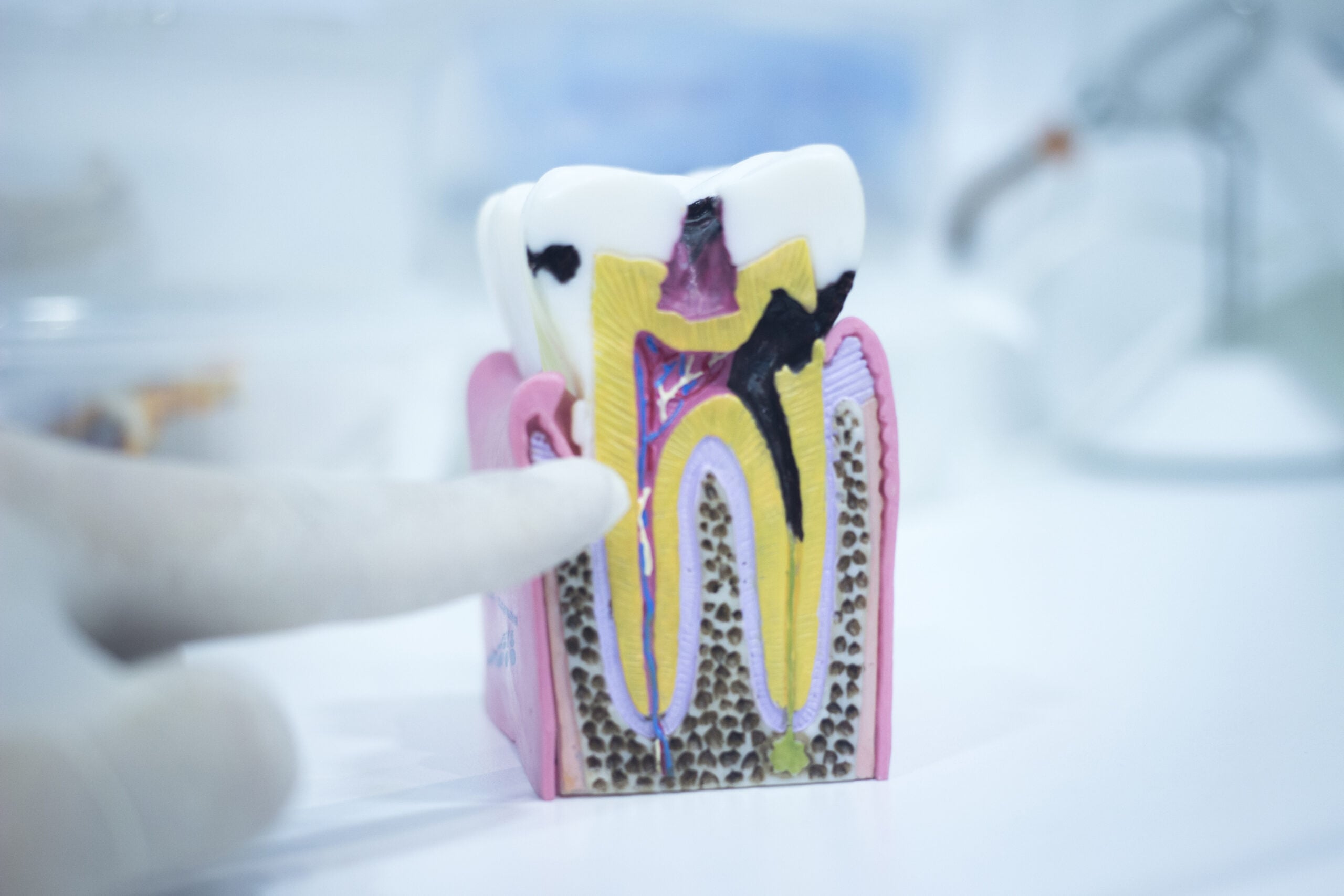
The root canal is the narrow space inside a tooth that contains the pulp. This soft tissue includes nerves, blood vessels, and connective tissue that support the tooth as it develops. Once the tooth has matured, it can continue functioning without the pulp because the surrounding tissues provide nourishment.
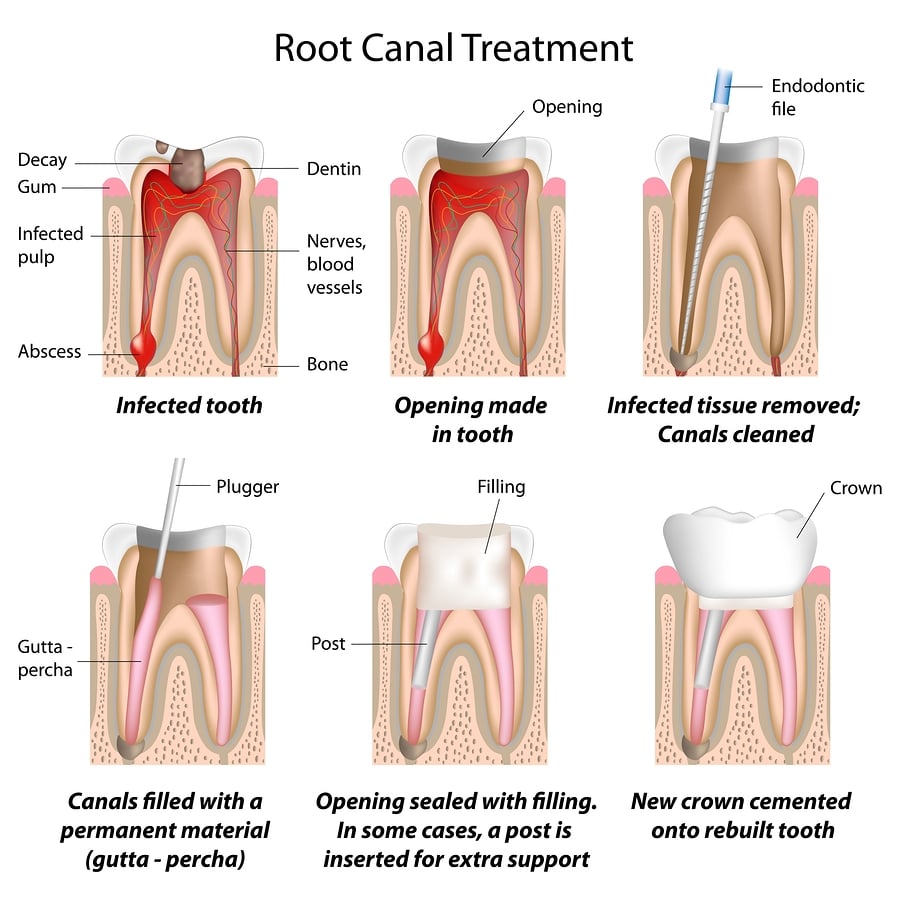
Root canal therapy in Raleigh, NC, addresses inflammation or infection within this space. During the procedure, the dentist clears the affected pulp, cleans and disinfects the canals, and fills them with a dental material. The tooth is then sealed to reduce the risk of bacteria entering again.
A filling or crown may be placed afterward to rebuild and protect the tooth. The type of restoration depends on the tooth’s location and how much healthy structure remains.
Signs You May Need a Root Canal
Tooth pain does not always mean root canal therapy is necessary. Cavities, gum irritation, teeth grinding, and other conditions can cause similar symptoms. A dental examination and X-rays are needed to identify the source.
Possible warning signs include:
- Tooth pain without an apparent trigger
- Discomfort that becomes more noticeable at night
- Lingering sensitivity to hot or cold temperatures
- Pain when biting or chewing
- Tenderness when the tooth is touched
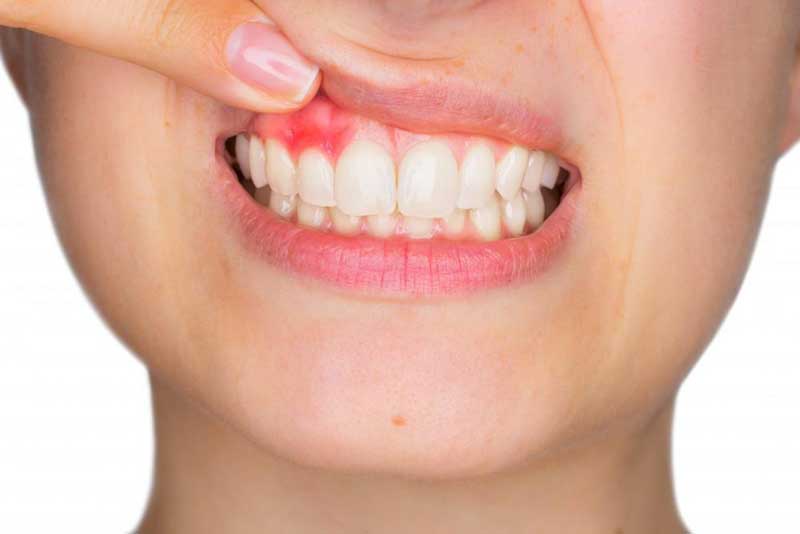
- Swelling in the gums, face, or jaw
- A recurring pimple or small bump on the gums
- Darkening or discoloration of the tooth
- A chipped, cracked, or deeply decayed tooth
- A bad taste or drainage near the affected area
Some teeth with damaged pulp cause few or no noticeable symptoms. A dentist may identify the concern during an examination or an X-ray before pain develops.
Facial swelling, fever, difficulty swallowing, or difficulty breathing may indicate a spreading infection. Seek prompt dental or medical attention if these symptoms occur.
Why a Tooth May Need Root Canal Therapy
Bacteria can reach the pulp when the enamel and dentin no longer protect the inside of the tooth. Several problems may create an opening:
- Deep tooth decay
- A crack extending into the pulp
- A broken or severely worn tooth
- Repeated dental procedures on the same tooth
- A fall, accident, or sports injury
- A damaged filling or crown
- Trauma that affects the pulp without visibly breaking the tooth
Once the pulp becomes inflamed or infected, it cannot always recover on its own. Root canal therapy may preserve the natural tooth and reduce the risk of infection spreading into the surrounding bone or soft tissues.

What Happens During a Root Canal Procedure?
The number of appointments depends on the tooth, the shape of its canals, and the extent of the infection. Some procedures can be completed in one visit, while others require more than one appointment.

Examination and Dental X-Rays
The dentist examines the tooth and asks about your symptoms. Dental X-rays show the roots, surrounding bone, and areas that cannot be seen during a visual examination. Your dentist may also perform temperature or biting tests to assess the pulp and nearby teeth.
Local Anesthesia
Local anesthesia numbs the tooth and surrounding gums. A small protective sheet called a dental dam may be placed around the tooth to keep it dry and separate it from saliva.
Cleaning the Canals
The dentist creates a small opening in the tooth to reach the pulp chamber. Small instruments clean and shape the chamber and root canals. The canals are then disinfected to clear bacteria and affected tissue.
Filling and Sealing the Tooth
The canals are filled with a rubber-like dental material called gutta-percha. The access opening is then sealed with a temporary or final filling.
Rebuilding the Tooth
A dental crown is often recommended for a back tooth because molars and premolars experience substantial chewing pressure. A front tooth may need a filling or another restoration, depending on the remaining structure.
If a temporary filling is placed, attending the follow-up appointment is important. Delaying the final restoration may leave the tooth vulnerable to fracture or bacterial entry.
Is Root Canal Therapy Painful?
Root canal therapy is performed with local anesthesia, so patients should not feel sharp pain while the dentist works. You may notice pressure or movement, but the area should remain numb.
The discomfort caused by an inflamed or infected tooth is often more intense than the procedure itself. Root canal therapy addresses the source by cleaning the affected tissue inside the tooth.
Mild soreness or tenderness is common after the anesthesia wears off, especially when biting. The surrounding tissues may need several days to settle. Your dentist can provide instructions for managing discomfort based on your health history and the condition of the tooth.
Contact the dental office if pain becomes more intense, swelling develops, or the tooth contacts the opposing teeth before the rest of your bite.
Recovery After Root Canal Therapy
Most patients return to work, school, and routine activities shortly after a root canal appointment. The tooth and nearby gums may remain sensitive for a few days.
During recovery:
- Wait until the numbness has worn off before eating.
- Avoid chewing on the affected side if you have a temporary filling.
- Choose softer foods if the tooth feels tender.
- Brush and floss carefully around the area.
- Follow your dentist’s instructions.
- Attend the appointment for the final filling or crown.
- Avoid biting ice, hard candy, pens, or other hard objects.
A root canal tooth still requires daily brushing, flossing, and professional examinations. Although it no longer contains pulp, decay can develop around the filling or crown. The supporting gums and bone also require continued care.
Root Canal Therapy vs. Tooth Extraction
Root canal therapy preserves a damaged or infected tooth by cleaning and sealing its internal canals. An extraction removes the entire tooth and may be necessary when severe damage or inadequate support make preservation unlikely.
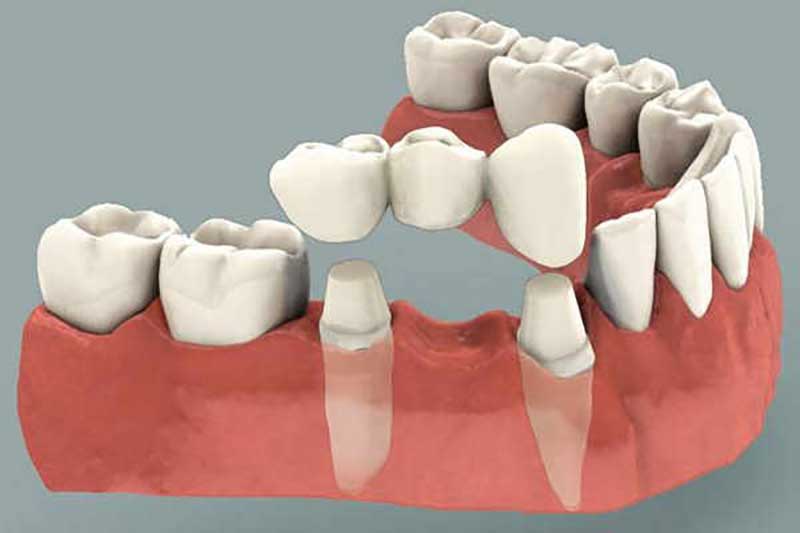
After an extraction, a bridge, implant, or partial denture may be needed to restore chewing and limit tooth movement. Your dentist will consider the tooth’s structure, surrounding bone, long-term outlook, and your preferences before recommending either option.


How Long Can a Root Canal Tooth Last?
A tooth that has undergone root canal therapy may remain functional for many years. Its lifespan depends on the amount of healthy structure remaining, the quality of the final restoration, bite pressure, oral hygiene, and regular dental care.
Placing the recommended crown or filling promptly can help protect the tooth from fracture and bacterial entry. Patients who grind or clench their teeth may benefit from a night guard to limit excessive pressure.
Routine examinations allow the dental team to monitor the tooth, restoration, gums, and surrounding bone. Contact the office if the tooth begins hurting again; the crown feels loose, or swelling appears nearby.
Frequently Asked Questions About Root Canal Therapy
How long does a root canal take?
Appointment length varies according to the tooth and the complexity of its canals. Front teeth usually have fewer canals than molars. Some procedures can be completed in one visit, while complex cases may require a second appointment.
Will I need a crown after root canal therapy?
Many back teeth need crowns because they experience substantial chewing pressure and may have lost structure due to decay or damage. Some front teeth can be rebuilt with fillings. Your dentist will recommend a restoration based on the tooth’s location and condition.
Can antibiotics replace a root canal?
Antibiotics may help when an infection has spread beyond the tooth, but they cannot clean bacteria and affected tissue from inside the canals. The source within the tooth still requires dental care. Antibiotics are prescribed only when clinically appropriate.
Can a tooth need root canal therapy without hurting?
Yes. The pulp can lose vitality without causing ongoing pain. Changes around the root may appear on an X-ray, or the tooth may darken after an injury.
Can infection return after a root canal?
A tooth can develop new problems if bacteria enter through a leaking filling, damaged crown, fracture, or previously undetected canal. Contact your dentist if pain, swelling, drainage, or pressure returns.
Schedule Root Canal Therapy in Raleigh, NC
Persistent tooth pain, temperature sensitivity, or swelling deserves a dental evaluation. Examining the tooth early may provide more opportunities to preserve its natural structure and prevent the concern from becoming more complex.
Adams & Cheek Dentistry provides root canal therapy in Raleigh, NC, for patients with damaged or infected teeth. Call our Raleigh office at (919) 866-1360 or schedule an appointment online to have your symptoms evaluated.
No Insurance? No Problem!
At Adams and Cheek Dentistry, we have listened to our patients and understand the need for an affordable alternative to dental insurance. To help all of our valued patients have a choice with access to the same excellent level of dental care, we are now offering our own DENTAL CARE SAVINGS PROGRAM. This is not dental insurance and your program benefits are only available for use with us here at Adams and Cheek Dentistry.
Patient Information
We know that your time is very valuable to you. In order to allow for the fastest processing during your initial visit to our office we request that you take the time to fill out these forms in the comfort of your own home.