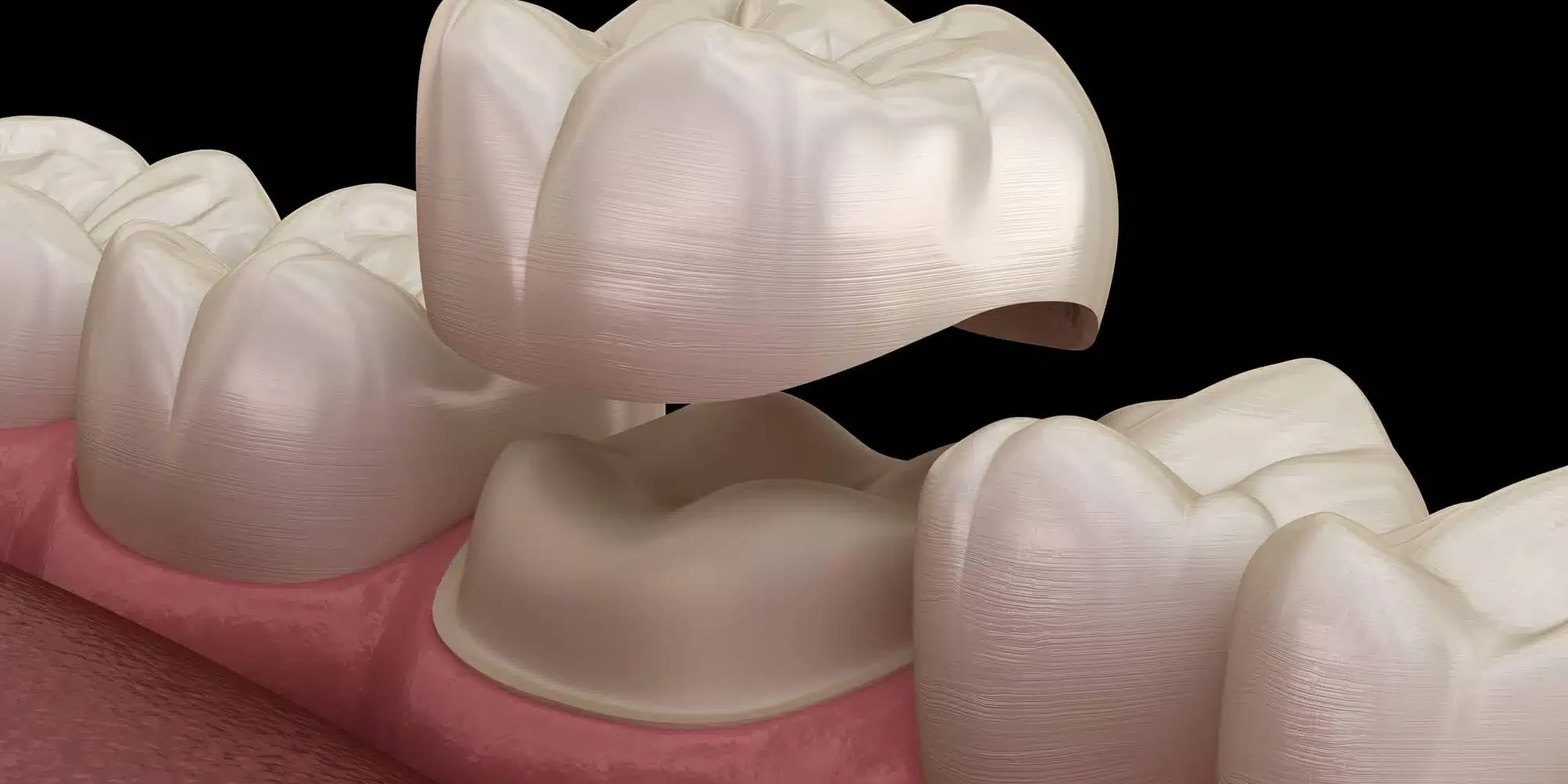
If your tooth has significant decay, a large fracture, or has undergone root canal treatment, dental crowns in Raleigh are typically the stronger, longer-lasting choice, while dental bonding works best for minor cosmetic fixes and small chips.
Choosing between the two comes down to the extent of damage, how long you want the repair to last, and your budget.
 Which Restoration Fixes Your Tooth Problem Best?
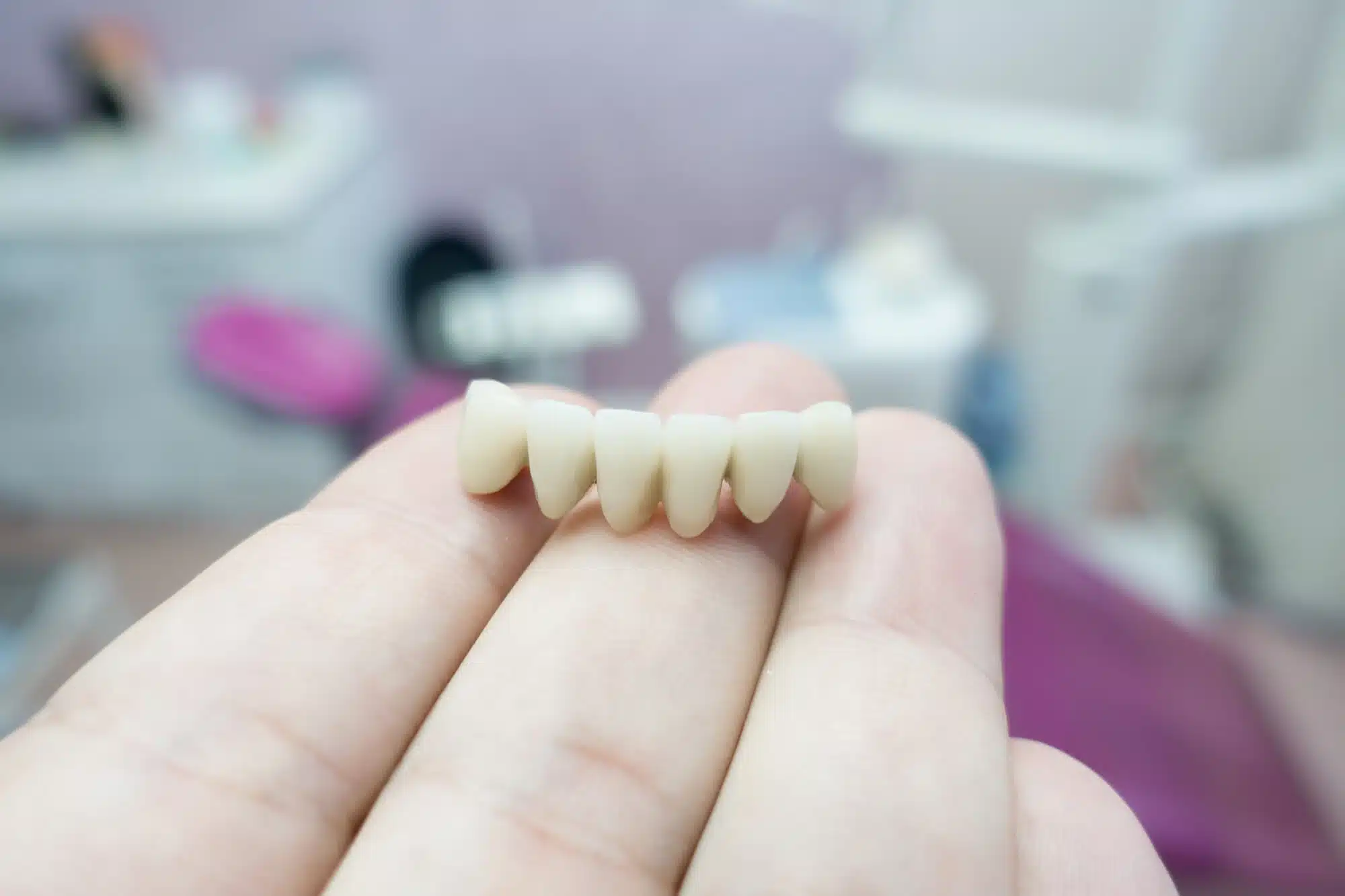
The right restoration depends almost entirely on how much natural tooth structure remains. A crown fully caps the tooth, offering protection when decay, cracks, or previous fillings have weakened it substantially.
Bonding, on the other hand, uses a tooth-colored resin applied directly to the surface, making it ideal for small chips, gaps, or discoloration. When damage is extensive, only a crown can restore the strength needed for normal biting and chewing.
When Dental Crowns Make More Sense
Crowns are recommended when a tooth has a large filling that’s failing, a deep crack, or has recently had a root canal. Because crowns cover the entire visible tooth, they distribute chewing forces evenly and prevent further fracturing.
They’re also the standard choice for teeth that have already lost significant structure to decay. Patients seeking a durable, long-term solution often find crowns worth the investment.
When Dental Bonding Is the Better Fit
Bonding is ideal for minor cosmetic concerns, such as small chips, slight gaps, or surface stains that don’t compromise the tooth’s overall strength. The procedure is quick, usually completed in a single visit, and requires little to no removal of healthy enamel. It’s also more budget-friendly upfront, though the resin material isn’t as durable as porcelain over time. Bonding works well as a conservative option when a tooth simply needs a cosmetic touch-up.
How Long Does Each Restoration Last?
Longevity is one of the biggest differences between these two treatments, and it matters for long-term value. Consider these general timelines:
- Dental crowns: typically last 10-15 years or longer with proper care
- Dental bonding: usually lasts 3-7 years before needing touch-ups or replacement
- Crowns resist staining better than bonding material
- Bonding may chip or wear faster under heavy biting pressure
What Affects the Lifespan of Your Restoration?
Diet, oral hygiene, and habits like teeth grinding all influence how long either restoration holds up. Patients who grind their teeth at night may need a nightguard to protect the bonding or even a crown from premature wear.
Regular checkups also allow your dentist to catch small issues before they become bigger problems. Ultimately, consistent care extends the life of whichever option you choose.
Schedule Your Appointment for Dental Crowns in Raleigh

Every smile is different, and the best way to know which restoration fits your needs is through a personalized evaluation. A dentist can assess the extent of damage, discuss your goals, and recommend whether a crown or bonding will serve you best long-term.
Adams & Cheek Dentistry offers thorough consultations to help patients restore both function and confidence in their smiles. Schedule your appointment today and take the next step toward a healthier tooth