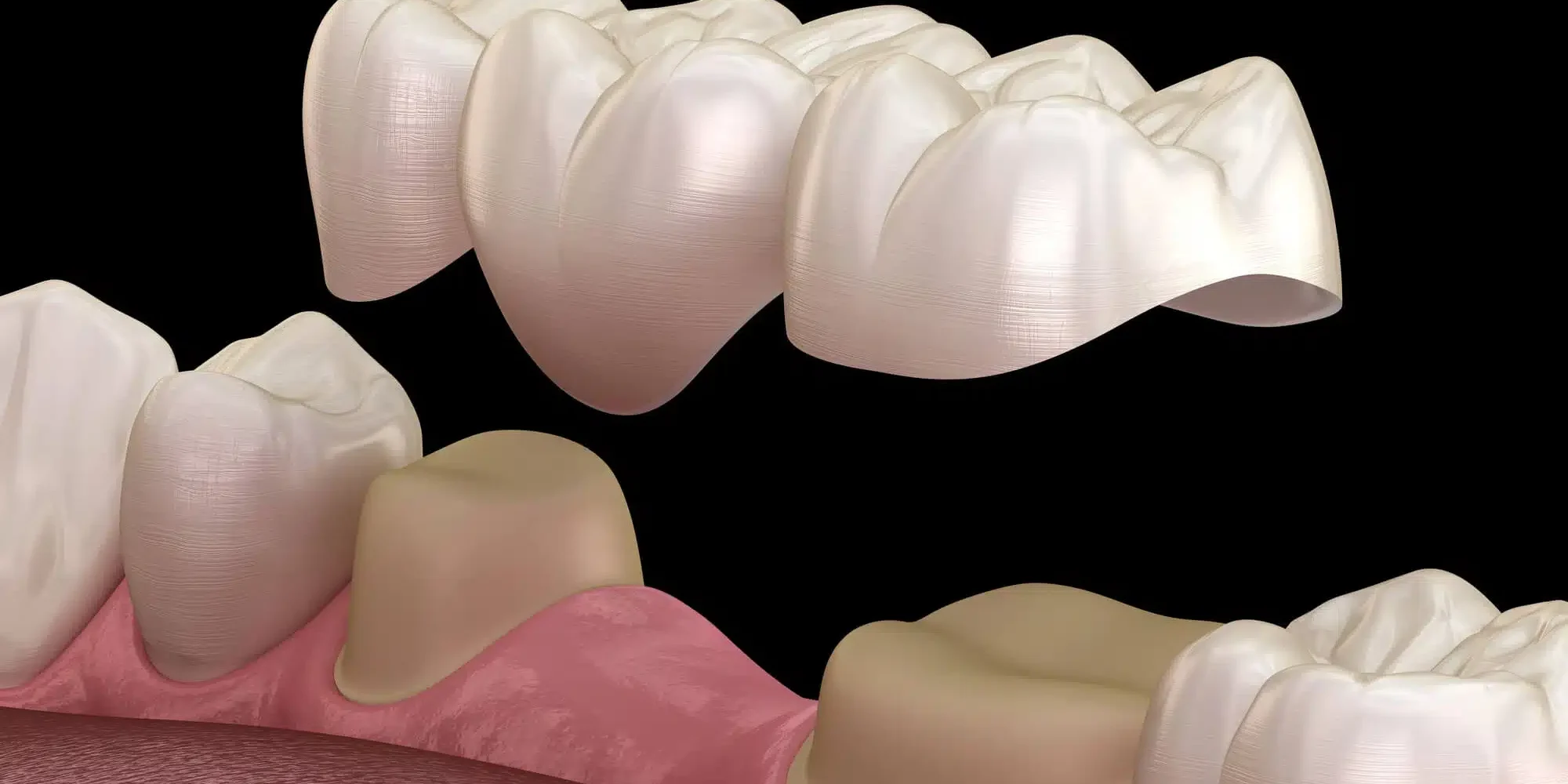
Losing a tooth can affect more than the appearance of your smile. Dental bridges in Raleigh can replace one or more missing teeth by using surrounding teeth or other supporting structures to hold a prosthetic tooth in place. Understanding how bridges work and what to expect can help you make a more informed decision about replacing a missing tooth.
 What Is a Dental Bridge?
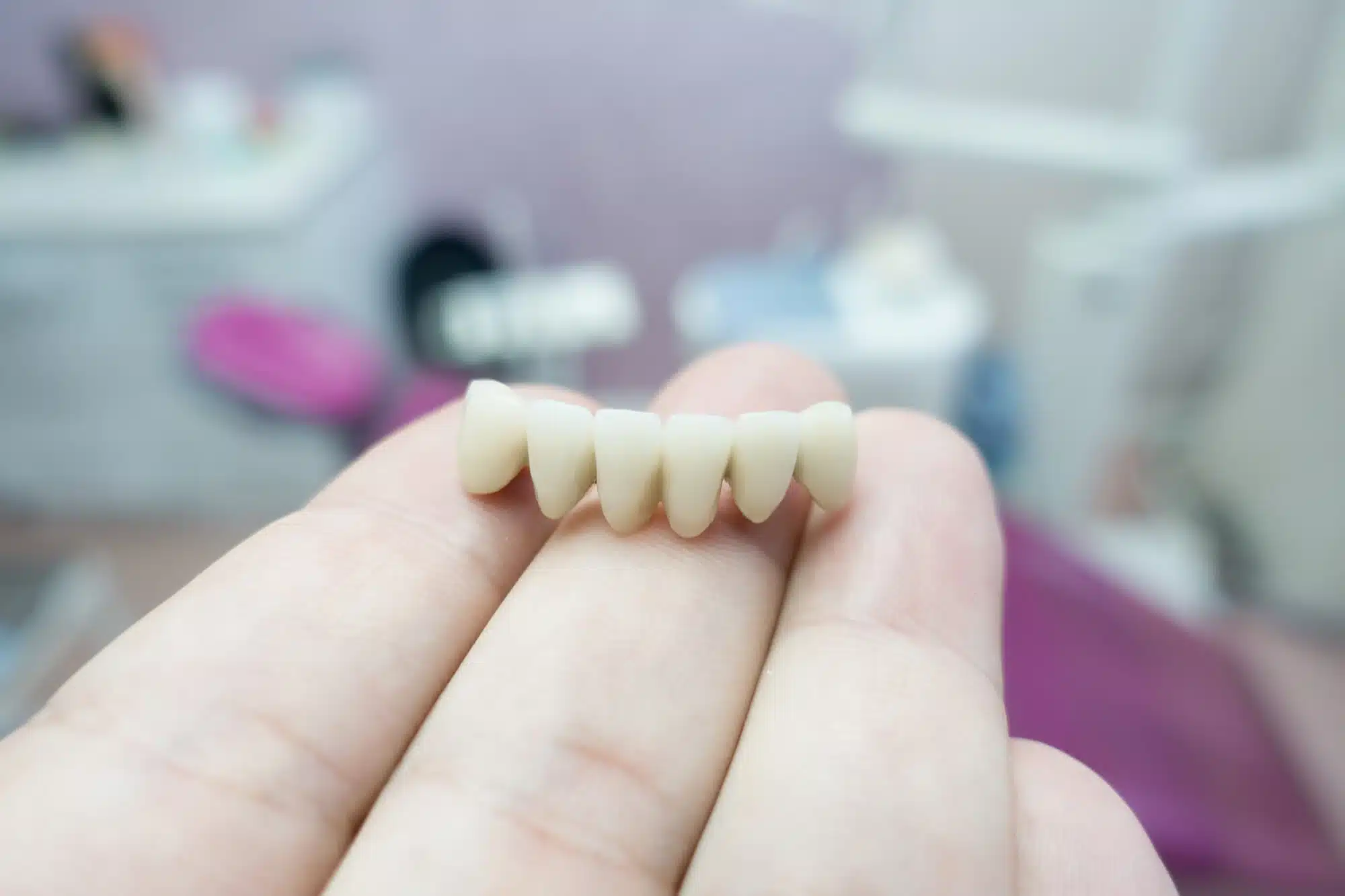
A dental bridge is a fixed restoration designed to fill the space created by one or more missing teeth. It typically includes a replacement tooth, called a pontic, supported by dental crowns or other structures. Unlike a removable denture, a traditional bridge is designed to remain in place during everyday activities such as eating and speaking.
Replacing a missing tooth can help restore chewing function and prevent neighboring teeth from shifting into the open space. Your dentist will evaluate your teeth, gums, bite, and overall oral health to determine whether a bridge is an appropriate option.
Who Is a Good Candidate for a Dental Bridge?
A dental bridge may be considered for patients with one or more missing teeth and sufficient healthy supporting structures to secure the restoration. The condition of the surrounding teeth and gums is an important factor in determining whether a traditional bridge is suitable.
Your dentist may also discuss other tooth-replacement options depending on your needs.
Factors that may be considered include:
- Number and location of missing teeth
- Health of the surrounding teeth
- Condition of the gums
- Bite and chewing function
- Overall oral health
- Long-term treatment goals
What Happens During the Dental Bridge Process?
The process begins with an evaluation and treatment plan. If a traditional bridge is appropriate, the supporting teeth may be prepared to accommodate the restoration, and impressions or digital scans may be taken. A customized bridge is then created and placed to restore the missing tooth or teeth.
Your dentist will check the bridge for fit, comfort, appearance, and bite. Proper placement is important because the restoration needs to function comfortably alongside your natural teeth.
How Do You Care for a Dental Bridge?
Good oral hygiene is essential for protecting both the bridge and the teeth supporting it. Brush twice daily, clean carefully around the restoration, and use floss or an appropriate interdental cleaning method to remove plaque from areas that may be difficult to reach.
Regular dental visits are also important for monitoring the bridge and surrounding oral structures. Your dental team can identify changes in the supporting teeth or gums and provide recommendations for maintaining the restoration.
Frequently Asked Questions About Dental Bridges
How Long Can a Dental Bridge Last?
The lifespan of a bridge varies based on factors such as oral hygiene, bite forces, and the health of the supporting teeth. Proper care and regular dental visits can help extend its useful life.
Does Getting a Dental Bridge Hurt?
Some temporary sensitivity or discomfort may occur during or after preparation of the supporting teeth. Your dental provider will use appropriate techniques to keep you comfortable throughout the process.
Can a Dental Bridge Look Natural?
Dental bridges can be designed to complement the color, shape, and appearance of your natural teeth. Your dentist can discuss how the restoration will be customized for your smile.
 Explore Dental Bridges in Raleigh for Your Missing Tooth

A dental bridge may be an effective way to restore a missing tooth and improve everyday oral function. Adams & Cheek Dentistry can evaluate your smile and explain whether a bridge or another tooth-replacement option best fits your needs.
Schedule a consultation to discuss your options and take the next step toward restoring your smile.